Last Updated: May 25, 2012
Feeds: RSS
PewResearchCenter Topics
Receive Our Email Newsletter:
Site Search:

Publications on Internet and Technology

This section features selected Pew Research Center reports (since 2005) on the social and political impact of the internet and other technology trends. Individual project websites contain more reports related to this topic. In particular, please visit the Pew Internet & American Life Project, which reports on impact of the Internet on families, communities, work and home, daily life, education, health care, and civic and political life.

Survey Research, Its New Frontiers and Democracy
24 May 12Scott Keeter, Director of Survey Research for the Pew Research Center and president of the American Association for Public Opinion Research, explores the threats and opportunities in the field of survey research, and discusses steps that can be taken to help keep survey research relevant for democracy.
Pew Research Center

Facebook IPO Not Selling on Social Media
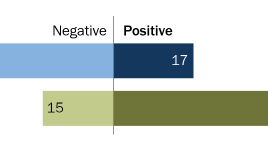
How Twitter, Blogs and Facebook Reacted to the Facebook IPO
22 May 12The Facebook IPO was a hot topic on blogs, Twitter and Facebook last week with doubts about the stock’s value exceeding bullishness on the investment.
Project for Excellence in Journalism

The Future of Internet Gamification
18 May 12Interactive games that reward participants with points, badges and discounts are on the rise. Experts believe they will spread widely to key areas, such as education and health by 2020. Others worry about a darker side.
Pew Internet & American Life Project

Facebook: A Profile of its 'Friends'
16 May 12For years, the Pew Internet & American Life Project has been polling people who use social media, asking how they use it and what they get out of it. The results paint an interesting picture of what kind of people use sites such as Facebook, who they are connected to and how they manage their privacy.
Pew Internet & American Life Project

Three-Quarters of Smartphone Owners Use Location-Based Services
11 May 12Nearly three-fourths (74%) of smartphone users use their phones to obtain real-time, location-based information and almost one-in-five use geosocial services such as Foursquare.
Pew Internet & American Life Project

Just-In-Time Information Through Mobile Connections
7 May 1286% of smartphone owners used their phone in the past month to make real-time queries to help them meet friends, solve problems, or settle arguments.
Pew Internet & American Life Project

The Future of Money: Smartphone Swiping in the Mobile Age
17 Apr 12Tech experts believe that by 2020 many consumers will have embraced smart-device swiping for purchases, but some suspect financial companies will slow down the trend.
Pew Internet & American Life Project

Digital Differences
For Some Groups Digital Disparities Still Remain
13 Apr 12While the number of Americans who go online has increased substantially over the years, about one-in-five adults still do not use the internet. About half of non-users don’t go online because they don’t think the internet is relevant to them.
Pew Internet & American Life Project

72% of Americans Follow Local News Closely
12 Apr 12Most adults follow local news closely, and local newspapers are by far the source they rely on for much of the local information they need.
Pew Internet & American Life Project

The Rise of E-Reading
4 Apr 12One-fifth of American adults have read an e-book. The increasing availability of e-content is prompting some to read more than in the past and to prefer buying books to borrowing them.
Pew Internet & American Life Project

The Web is Dead? Experts Say 'No'
Many Expect Apps and Web to Converge in the Cloud
23 Mar 12Technology experts generally believe the mobile revolution, the popularity of targeted apps, the monetization of online products and services, and innovations in cloud computing will drive Web evolution.
Pew Internet & American Life Project

Teens, Smartphones & Texting
Texting Volume Is Up while the Frequency of Voice Calling Is Down
19 Mar 12Texting is the dominant daily mode of communication between teens and all those with whom they communicate.
Pew Internet & American Life Project

State of the News Media 2012
New Devices, Platforms Spur More News Consumption
19 Mar 12Mobile devices are adding to people’s consumption of news, strengthening the lure of traditional news brands and providing a boost to long-form journalism, according to the Project for Excellence in Journalism's ninth annual report on the health of American journalism.
Pew Research Center

Social Networking Sites and Politics
12 Mar 12Postings on social networking sites reveal surprises for many users when it comes to the political views of their friends. Nearly four-in-ten users discovered through postings by friends that their political beliefs were different than they thought. A small percentage of users blocked, unfriended or hidden someone on the site because their political postings.
Pew Internet & American Life Project

Most Search Engine Users Disapprove of Use of Personal Data for Targeted Advertising
9 Mar 12Even though online Americans are more satisfied than ever with the performance of search engines, strong majorities have negative views of personalized search results and targeted ads.
Pew Internet & American Life Project

Nearly Half of American Adults Are Smartphone Owners
1 Mar 12Smartphone users now outnumber users of more basic mobile phones among adults.
Pew Internet & American Life Project

Millennials Will Benefit And Suffer Due to Hyperconnected Lives
29 Feb 12While experts see many young people becoming nimble analysts and decision-makers because of their embrace of the networked world, they also warn that some constantly-connected teens and young adults will lack a deep engagement with people and knowledge by being hyperconnected.
Pew Internet & American Life Project

Privacy Management on Social Media Sites
24 Feb 12Two-thirds of online adults have a profile on a social networking site, and most restrict access to friends only. Social network users also are becoming more active in pruning and managing their accounts.
Pew Internet & American Life Project

Digital Advertising and News
Who Advertises on News Sites and How Much Those Ads Are Targeted
13 Feb 12Although revenue from digital advertising in the U.S. is expected to grow significantly in the next few years, major news organizations still face challenges in trying to harness that trend and ensure their financial futures as audiences continue to migrate online.
Project for Excellence in Journalism

The Tone of Life on Social Networking Sites
9 Feb 12An overwhelming majority (85%) of the adults who use social media report that people are usually kind on the sites. At the same time, 49% have witnessed mean and offensive behavior and they usually respond by ignoring it.
Pew Internet & American Life Project

Cable Leads the Pack as Campaign News Source
Twitter, Facebook Play Very Modest Roles
7 Feb 12Cable news is now the top regular source for campaign news. The long-term decline in the number of Americans getting campaign news from local and network TV news, and local newspapers, steepened this year. Social networking sites like Facebook and Twitter are used for campaign news by a relatively limited audience.
Pew Research Center for the People & the Press

Why Most Facebook Users Get More Than They Give
3 Feb 12Most Facebook users receive more from their Facebook friends than they give, whether the measurement is the number of friend requests received, the use of the "like" button, the number of messages sent or tagging people in photos. The phenomenon is driven by a segment of "power users."
Pew Internet & American Life Project

The Rise of In-Store Mobile Commerce
30 Jan 12Just over half of adult cell owners used their phone while they were in stores during the 2011 holiday shopping season to call friends for advice on a purchase or to check product reviews and prices being offered elsewhere.
Pew Internet & American Life Project

Tablet and E-Book Reader Ownership Nearly Double Over the Holiday Gift-Giving Period
23 Jan 12The share of adults in the United States who own tablet computers nearly doubled from 10% to 19% between mid-December and early January and the same surge in growth also applied to e-book readers, which also jumped from 10% to 19% over the same time period.
Pew Internet & American Life Project

Real Time Charitable Giving
Why Mobile Phone Users Used Text Messages to Contribute to Haiti Earthquake Relief
12 Jan 12A survey of individuals who sent a contribution to Haiti earthquake relief using the text messaging feature on their mobile phones explores who these mobile givers are, what other types of mobile contributions they have undertaken, and how they perceive mobile giving in comparison to other types of charitable contributions.
Pew Internet & American Life Project

The Civic and Community Engagement of Religiously Active Americans
23 Dec 11Religiously active Americans are more tied to many civic and other organizations than non-religious Americans. Many report that their use of technology helps them in their group activities.
Pew Internet & American Life Project

Texting, Social Networking Popular Worldwide
20 Dec 11Two kinds of digital communication that have grown increasingly popular in the United States -- sending text messages and using social networking sites -- are also popular around the world.
Pew Global Attitudes Project

Where People Get Information About Restaurants and Other Local Businesses
A Closer Look
14 Dec 11People looking for information about local restaurants and other businesses say they rely on the internet, especially search engines, ahead of any other source.
Pew Internet & American Life Project

Ask the Expert
13 Dec 11Senior research staff answer questions from readers relating to all the areas covered by our seven projects, ranging from polling techniques and findings, to media, technology, religious, demographic and global attitudes trends.
Pew Research Center

Twitter and the Campaign
How the Discussion on Twitter Varies from Blogs and News Coverage; Ron Paul’s Twitter Triumph
8 Dec 11The political conversation on Twitter is markedly different than that on blogs—and both are decidedly different than the political narrative presented by the mainstream press, according to a new study by the Pew Research Center’s Project for Excellence in Journalism that analyzed more than 20 million tweets, the online conversation and traditional news coverage about the campaign.
Project for Excellence in Journalism

Why Americans Use Social Media
15 Nov 11The top reason cited by adults for using social media is to maintain connections with family and friends. Social media users also say these platforms help connect them to old friends with whom they've lost touch.
Pew Internet & American Life Project

How Mainstream Media Outlets Use Twitter
Content Analysis Shows an Evolving Relationship
14 Nov 11A new study of the practices of 13 major news organizations by the Pew Research Center's Project for Excellence in Journalism and George Washington University's School of Media and Public Affairs reveals that these news organizations use Twitter in limited ways-primarily as an added means to disseminate their own material.
Project for Excellence in Journalism

Teens, Kindness and Cruelty on Social Network Sites
How American Teens Navigate the New World of "Digital Citizenship"
9 Nov 11A comprehensive study finds that almost seven-in-ten American teens who use social networking sites say that people their age are mostly kind to one another on the sites; another 20% say that they are mostly unkind. Most teens say they have witnessed other people being mean or cruel to each other on the sites.
Pew Internet & American Life Project

The Generation Gap and the 2012 Election
Angry Silents, Disengaged Millennials
3 Nov 11In the last four national elections, generation has mattered more in American elections than it has in decades. This continues to be true as voters look ahead toward the 2012 general election. In a contest between President Obama and Mitt Romney, there is a 20-point gap in support for Obama between Millennials and the over-65 Silent generation.
Pew Research Center for the People & the Press

Half of Adult Cell Phone Owners Have Apps on Their Phones
2 Nov 11The share of adult cell phone owners who have downloaded an app to their phone nearly doubled in the past two years – rising from 22% in September 2009 to 38% in August 2011.
Pew Internet & American Life Project

The Tablet Revolution and What it Means for the Future of News
25 Oct 11Just 18 months after the introduction of the iPad, a new Pew Research Center study details the way in which the tablet is creating a revolution in how people get their news. About one-in-ten Americans now own a tablet, and more than half use it every day to read long articles as well as headlines.
Project for Excellence in Journalism

Ask the Expert
22 Sep 11Senior research staff answer questions from readers relating to all the areas covered by our seven projects, ranging from polling techniques and findings, to media, technology, religious, demographic and global attitudes trends.
Pew Research Center

A Third of Text Message Users Prefer Them to Voice Calls
19 Sep 11About three-in-ten text message users prefer texting to voice calls, and young adults stand out in their use of text messaging.
Pew Internet & American Life Project

28% of U.S. Adults Use Mobile and Social Location-Based Services
6 Sep 11Just over half of smartphone owners use their phones to get directions or recommendations based on their location; geosocial services and location-tagging features are less popular.
Pew Internet & American Life Project

The Digital Revolution and Higher Education
College Presidents, Public Differ on Value of Online Learning
28 Aug 11As online college courses are becoming more prevalent, the public is skeptical about their educational value. Only 29% of Americans say online classes are equal in value to classes taken in person. College presidents have a more positive view of online learning and they foresee dramatic growth in this area.
Social & Demographic Trends

65% of Online Adults Use Social Networking Sites
Women maintain their foothold on SNS use and older Americans are still coming aboard
26 Aug 11Two-thirds of adult internet users (65%) now say they use a social networking site like MySpace, Facebook or LinkedIn. That’s more than double the percentage that reported social networking site usage in 2008.
Pew Internet & American Life Project

Americans and Their Cell Phones
Mobile Devices Help Solve Problems But Create New Annoyances
15 Aug 11Mobile phones have become a near-ubiquitous tool for information-seeking and communicating: 83% of American adults own some kind of cell phone. While cellphones are useful for a wide variety of tasks, owners say they also come with some disadvantages.
Pew Internet & American Life Project

Search and Email Still the Most Popular Online Activities
Two Activities Nearly Universal Among Adult Internet Users
9 Aug 11As they have done for nearly a decade, email and search form the core of online communication and online information gathering, respectively, even as new platforms, broadband and mobile devices continue to reshape the way Americans use the internet and web.
Pew Internet & American Life Project

71% of Online Adults Now Use Video-Sharing Sites
26 Jul 11Rural internet users are now just as likely as users in urban and suburban areas to have used video-sharing sites, and online African-Americans and Hispanics are more likely than internet-using whites to visit video-sharing sites.
Pew Internet & American Life Project

Hacking Scandal Tops Twitter for a Second Week
22 Jul 11Nearly a fifth of the news links on Twitter were about the phone hacking scandal, making it the top story on that platform, although accounting for far less than the 53% of links the previous week. The new Google+ social networking site was the second most-discussed story.
Project for Excellence in Journalism

Casey Anthony Verdict Top Story for Public and Social Networkers
No Improvement in Views of Economic News
13 Jul 11Americans followed news about the verdict in the Casey Anthony murder trial more closely than other top stories, but they also kept a watch on news about the struggling economy and talks in Washington over raising the federal debt limit.
Pew Research Center for the People & the Press

35% of American Adults Own a Smartphone
One Quarter Use Their Phone for Most of Their Online Browsing
11 Jul 11Smartphones have captured a significant share of the cellphone market in the U.S. and a quarter of owners say they go on line mostly using their device.
Pew Internet & American Life Project

E-reader Ownership Doubles in Six Months
Tablet Adoption Grows More Slowly
27 Jun 11The share of U.S. adults who own an e-book reader -- such as Kindle or Nook -- doubled to 12% in May 2011 from 6% in November 2010. This is the first time that ownership of this device has reached double digits among adults.
Pew Internet & American Life Project

Social Networking Sites and Our Lives
16 Jun 11Close to half of all adults now use social networking sites (SNS) -- double the number users in 2008 -- and the average user is getting older. Are there benefits associated with being connected to others in this way? A new study finds SNS users more trusting, engaged and able to keep close social ties.
Pew Internet & American Life Project

Twitter Update 2011
13% of online adults use Twitter
1 Jun 11Currently, 13% of online adults use the status update service Twitter, up from 8% in November 2010. More than half of Twitter users access the service via their cell phones. African-American and Latino internet users continue to be significantly more likely than whites to be Twitter users.
Pew Internet & American Life Project

Internet Phone Calls
31 May 11After years of modest activity, online phone calling has taken off as a quarter of American adult internet users (24%) have placed phone calls online. That amounts to 19% of all American adults.
Pew Internet & American Life Project

The Social Life of Health Information, 2011
12 May 11Eight-in-ten internet users have looked online for health information such as a specific disease or treatment, and an increasing number are sharing their own medical experiences and thoughts on the internet.
Pew Internet & American Life Project

The Internet and Campaign 2010
17 Mar 11More than half of U.S. adults used the internet for political purposes in the last cycle, far surpassing the 2006 midterm contest. They hold mixed views about the impact of the internet: It enables extremism, while helping the like-minded find each other. It provides diverse sources, but makes it harder to find truthful sources.
Pew Internet & American Life Project

Closing the Local News ‘App Gap'
14 Mar 11Local news is going mobile. Nearly half of all American adults (47%) report that they get at least some local news and information on their cellphone or tablet computer. But just 13% of all mobile device owners report having an app that helps them get local information or news.
Pew Internet & American Life Project

How the Public Perceives Community Information Systems
1 Mar 11Studies in three cities show that if people believe their local government shares information well, they also feel good about their town and its civic institutions. Those who are avid information consumers from news media and online sources are more likely to be involved and feel they have impact.
Pew Internet & American Life Project

Peer-to-Peer Health Care
28 Feb 11About one-in-five internet users have gone online to find others who have health concerns similar to theirs. Those with chronic conditions are even more likely to reach out to peers for health information. Still, most turn to health professionals when in need of medical information.
Pew Internet & American Life Project

Latinos and Digital Technology
9 Feb 11Latinos are less likely than whites to access the internet, have a home broadband connection or own a cell phone. However, Hispanics and whites with similar socioeconomic characteristics have similar usage patterns for these technologies.
Pew Hispanic Center

Generations and Gadgets
3 Feb 11While many tech devices have become popular across generations, Millennials are by far the most likely group not only to own most gadgets, but also to take advantage of a wider range of functions on those devices.
Pew Internet & American Life Project

Accessing Health Topics on the Internet
1 Feb 11Health information remains one of the most important subjects that internet users research online. The Pew Internet Project and California HealthCare Foundation have added eight new topics -- including food safety, drug safety, and pregnancy information -- to their national survey measuring internet users' interest in health information.
Pew Internet & American Life Project

Twitter and Social Networking in the 2010 Midterm Elections
27 Jan 11More than one-in-five online Americans engaged with the 2010 midterm elections or campaign on Twitter or social networking sites; Republicans -- especially Tea Party supporters -- caught up with Democrats in social media use.
Pew Internet & American Life Project

Social Side of the Internet
18 Jan 11The internet is having a wide-ranging impact on Americans' engagement with civic, social and religious organizations, as groups and their members use digital tools -- such as Facebook and Twitter -- to bind themselves together and pursue goals.
Pew Internet & American Life Project

Internet Gains on Television as Public's Main News Source
More Young People Cite Internet than TV
4 Jan 11Television remains the most widely used source for news, but it is less popular among all age groups. More people continue to cite the internet than newspapers as their main source of news, and for the first time, online news has surpassed TV news among young adults.
Pew Research Center for the People & the Press

Cash for Content Online
30 Dec 10Nearly two-thirds of internet users have paid to download or access online content, ranging from music to games to news articles.
Pew Internet & American Life Project

Mobile Politics 2010
28 Dec 10More than a quarter of American adults used their cell phones to learn about or participate in the 2010 midterm election campaign.
Pew Internet & American Life Project

Generations Online in 2010
16 Dec 10Even in online pursuits still dominated by Millennials -- such as social networking use -- older generations are making notable gains.
Pew Internet & American Life Project

Global Publics Embrace Social Networking
Computer and Cell Phone Usage Up Around the World
15 Dec 10Although still a relatively young technology, social networking is already a global phenomenon. A 22-nation survey finds that in regions around the world, people who use the internet are using it for social networking. Cell phone ownership and computer usage are also increasingly popular across the globe.
Pew Global Attitudes Project

Who Tweets?
9 Dec 10When asked specifically if they are on Twitter, rather than a generic status-updating site, 8% of online adults say they use the popular social media tool. Tweeting is especially popular among young adults, minorities and those who live in cities.
Pew Internet & American Life Project

The Better-Off Online
24 Nov 10Some 95% of Americans who live in households earning $75,000 or more a year use the internet at least occasionally, compared with 70% of those in households with less income. Even among all internet users, the well-off are more likely to own and use various types of technology.
Pew Internet & American Life Project

Just Checking In: 4% Share Location with Mobile Device
4 Nov 10Among online adults, 4% use a service such as Foursquare or Gowalla that allows them to share their location with friends and to find others who are nearby.
Pew Internet & American Life Project

Mobile Health 2010
18 Oct 10Among cell phone owners, 17% have used their phone to look up health information, including 29% of cell owners ages 18-29. Still, the internet plays a supplemental -- though growing -- role and mobile connectivity has not changed that.
Pew Internet & American Life Project

Gadget Ownership
14 Oct 10The cell phone -- by a wide margin -- is the most commonly owned piece of personal technology. Three-quarters of the public own a computer and nearly half own an mp3 player, while e-books remain a niche item. The average adult owns three of the seven gadgets asked about in the survey.
Pew Internet & American Life Project

Video Calling and Video Chat
13 Oct 10Almost a fifth of American adults (19%) have tried video calling either online or via their cell phones. This translates into nearly a quarter (23%) of internet users and 7% of cell-phone owners who have participated in video calls, chats or teleconferences.
Pew Internet & American Life Project

Attention Shoppers: Online Product Research
58% of Americans Have Researched a Product or Service Online
29 Sep 10Nearly six-in-ten adults have done research online about the products and services they buy, and about a quarter have posted comments or reviews online about the things they buy.
Pew Internet & American Life Project

Tech Times: Media Coverage of Technology
27 Sep 10Much of the coverage of technology in the mainstream press split into competing story lines: that it makes life easier and that it is not secure. Social media, however, had a more positive focus on technological advancements. With regard to corporations, Apple was more covered than Google.
Project for Excellence in Journalism

Rise of the 'Apps Culture'
14 Sep 10While cell phone apps are popular among a segment of the adult cell phone using population, a notable number of cell owners are not yet a part of the emerging apps culture. But those who do download and use apps do so fairly frequently. Popular apps include entertainment (games, music, etc.) as well as those that provide information (maps, weather).
Pew Internet & American Life Project

Adults, Cell Phones and Texting
2 Sep 10Adults are increasingly using text messages to communicate, but they still text far less than teenagers, who send and receive, on average, five times more texts per day than adult texters.
Pew Internet & American Life Project

Older Adults and Social Media
27 Aug 10The number of older adults on Facebook and other social networking sites has roughly doubled in the past year. About half of internet users ages 50-64 and one-in-four users ages 65 and older now log onto social networks.
Pew Internet & American Life Project

The Fading Glory of the Television and Telephone
19 Aug 10The TV and the landline phone are both losing their cachet in the digital age, as fewer consider them necessities. But while phones are being dumped, Americans are stocking up on ever more television sets -- especially the big flat ones
Social & Demographic Trends

Broadband 2010: A Big Slowdown
11 Aug 10Broadband adoption slowed dramatically in 2010 across a range of demographic groups with African Americans a major exception. But 53% of Americans don't place a high priority on government efforts to spread high-speed access.
Pew Internet & American Life Project

How Young Latinos Communicate with Friends in the Digital Age
28 Jul 10While they still trail their non-Latino counterparts, young Latinos make extensive use of mobile technology. But use of cell phones and text messages differs notably among young Hispanics by nativity.
Pew Hispanic Center

Latino Digital Divide: Native Born vs. Foreign Born
27 Jul 10While rates of internet and cell phone use among native-born Hispanics are relatively high, technology use for the full population of Hispanics continues to lag behind the use rates of the non-Hispanic population.
Pew Hispanic Center

Social Media Singe Teen Singer
15 Jul 10Both bloggers and Twitter users got caught up in an online prank played on a teenage pop star; Obama and the courts also drew attention online.
Project for Excellence in Journalism

Millennials' Likely Lifelong Online Sharing Habit
9 Jul 10Technology experts generally believe that today’s tech-savvy young people -- the ‘digital natives’ who are known for enthusiastically embracing social networking and other online tools -- will retain their willingness to share personal information online even as they get older and take on more responsibilities.
Pew Internet & American Life Project

More Cell Phone Owners Use an App for That
59% of All Adult Americans Go Online Wirelessly
7 Jul 10While cell phone ownership has remained stable, today's users are taking advantage of a much wider range of their phones' capabilities (pictures, internet, music, etc.) compared with 2009.
Pew Internet & American Life Project

The Future of Online Socializing
2 Jul 10The social benefits of internet use will far outweigh the negatives over the next decade, according to experts. Email, social networks, and other online tools offer low friction opportunities to create, enhance, and rediscover social ties that make a difference in people's lives and lower traditional communications constraints of cost, geography, and time.
Pew Internet & American Life Project

Adults Text While Driving Too!
18 Jun 10Adults are just as likely as teens to have texted while driving and are substantially more likely to have talked on a cell phone while driving.
Pew Internet & American Life Project

The Future of Cloud Computing
11 Jun 10Technology experts and stakeholders say they expect internet users will ‘live mostly in the cloud’ in 2020 and not on the desktop, working through cyberspace-based applications accessed through networked devices.
Pew Internet & American Life Project

Neighbors Online
9 Jun 10While nearly half of Americans still talk face-to-face with their neighbors, one in five now use digital tools to communicate with neighbors and monitor community developments.
Pew Internet & American Life Project

Your New Tube: Online Video Continues to Grow
3 Jun 10With an assist from YouTube, Facebook and Twitter, 69% of internet users have watched video online. There have been dramatic increases in the viewing of comedy and political videos, as well as movies and television on the internet.
Pew Internet & American Life Project

Managing Your Online Profile
How People Monitor Their Internet Identity and Search for Others Online
26 May 10Reputation management has become a defining feature of online life, especially among younger Americans. Search engines and social media sites play a central role in building one's reputation. Many have begun changing privacy settings on profiles, customizing who can see what and deleting unwanted information online.
Pew Internet & American Life Project

On the Blogs, Across the Pond
20 May 10In stark contrast to the mainstream U.S. press, the blogosphere -- lacking geographic boundaries -- was consumed by the British election.
Project for Excellence in Journalism

United We Stand ... on Technology
5 May 10Americans are widely dissatisfied not only with government but with most major institutions. One notable exception: the technology industry.
Pew Research Center

The Semantic Web
5 May 10Technology experts and stakeholders are divided over whether a world in which software agents carry out sophisticated tasks for users is on the immediate horizon.
Pew Internet & American Life Project

Teens, Cell Phones and Texting
Text Messaging Becomes Centerpiece Communication
20 Apr 10Fully 72% of all teens -- or 88% of teen cell phone users -- send text messages, up from 51% of in 2006. Among all teens, text messaging has now overtaken every other common form of interaction with their friends.
Pew Internet & American Life Project

The Impact of the Internet on Institutions in the Future
31 Mar 10Most technology experts and stakeholders say innovative forms of online cooperation could result in more efficient and responsive organizational structures for business, non-profits and government by the year 2020.
Pew Internet & American Life Project

Chronic Disease and the Internet
24 Mar 10Americans living with a chronic disease are significantly less likely than healthy adults to have internet access. The majority are online, however, and they are more likely to share what they know and to learn from their peers.
Pew Internet & American Life Project

The New News Landscape: Rise of the Internet
Understanding the Participatory News Consumer
1 Mar 10The overwhelming majority of Americans use multiple platforms to get news, and the internet has surpassed newspapers and radio in popularity as a platform, ranking just behind TV. News is also becoming more of a shared experience. More than 8 in 10 online news consumers get or share links in emails.
Project for Excellence in Journalism

Millennials, Media and Information
24 Feb 10At a conference at the Newseum in Washington, D.C. on Wednesday, Feb. 24, 2010, Pew Research Center analysts and outside experts discussed research findings about the Millennial generation, the American teens and twenty-somethings now making the passage into adulthood. In this second of three sessions experts on media and technology examine how Millennials are seeking, sharing and creating information.
Pew Research Center

Does Google Make Us Stupid?
19 Feb 10Experts and stakeholders say the internet will enhance -- not degrade -- our intelligence. It will also change the functions of reading and writing and be built around still-unanticipated gadgetry and applications.
Pew Internet & American Life Project

Bloggers to Content Providers: Keep It Free or We Will Flee
18 Feb 10Social media last week dove into the debate over free versus pay online content. Sparked by Warner Music's plan to favor Web sites that charge users, bloggers answered in force: We oppose it! Google Buzz also drew bad buzz.
Project for Excellence in Journalism

Social Media & Mobile Internet Use Among Teens and Young Adults
3 Feb 10While the overall internet population expanded continuously over the past decade, Millennials continue to be the most likely age group to go online (93% now use the internet). However, their use of blogs, Twitter and social networking sites has changed in recent years.
Pew Internet & American Life Project

Internet User Profiles Reloaded
Updated Demographics for Internet, Broadband and Wireless Users
5 Jan 10A new look at internet users finds 74% of Americans online, 60% using broadband at home and 55% surfing the Web wirelessly.
Pew Internet & American Life Project

Latinos Online: Narrowing the Gap
22 Dec 09From 2006 to 2008, internet use among Latino adults rose by 10 percentage points, from 54% to 64%, compared with a 4-percentage-point rise among whites and a 2-percentage-point rise among blacks. The growth among Latinos was driven mainly by increased usage by the foreign born and those with lower incomes -- groups that have low rates of online activity.
Pew Hispanic Center

Public Looks Back at Worst Decade in 50 Years
Internet, Cell Phones Are Changes for the Better
21 Dec 09As the current decade draws to a close, relatively few Americans have positive things to say about it. But major technological and communications advances are viewed in an overwhelmingly positive light.
Pew Research Center for the People & the Press

Teens and Sexting
15 Dec 09Among cell-owning teenagers, 15% say they have received sexually suggestive nude or nearly nude images of someone they know via text messaging.
Pew Internet & American Life Project

Teens and Distracted Driving
Texting, Talking and Other Uses of the Cell Phone Behind the Wheel
16 Nov 09A new study finds that 43% of older American teens have talked on their cell phones and a quarter have sent text messages while driving; nearly half of all teenagers have been in a car whose driver was texting.
Pew Internet & American Life Project

Social Isolation and New Technology
How the Internet and Mobile Phones Impact Americans' Social Networks
4 Nov 09A new study challenges previous research and commonplace fears about the harmful social impact of internet and cell phone use.
Pew Internet & American Life Project

RT: More Americans Tweeting
19% of Internet Users on Twitter or Another Service
21 Oct 09One-in-five online Americans are now on Twitter. Those on social networking websites, mobile internet users and young adults have been most responsible for the proliferation of tweets.
Pew Internet & American Life Project

Civic Engagement Online: Politics as Usual
1 Sep 09The internet is not changing the character of civic engagement, as participation remains the domain of those with high levels of income and education. However, there are hints that forms of civic engagement anchored in blogs and social networking sites could alter long-standing patterns.
Pew Internet & American Life Project

More and More Teens on Cell Phones
19 Aug 09Significantly behind just a few years ago, teens are quickly catching up to adults in cell phone ownership. Few demographic differences exist among teens in use, with one exception: age. A sharp increase in ownership occurs at age 14, right at the transition from middle to high school.
Pew Internet & American Life Project

Bloggers Seize on Obama's Slipping Poll Numbers
30 Jul 09At the six-month point of Barack Obama's term, conservative bloggers drove a discussion of what they saw as Obama struggling politically, perhaps for the first time in his presidency. Dr. Who's new costume and a library book fight topped the Gate's story in online attention-getting.
Project for Excellence in Journalism

Your Other Tube: Audience for Video-Sharing Sites Soars
62% of Online Adults Watch Video Online
29 Jul 09The number of online adults who say they have visited an online-video site has nearly doubled since 2006, and outpaces other online pastimes such as social networking, downloading podcasts and tweeting. Watching video on sites such as YouTube is near-universal among young adults.
Pew Internet & American Life Project

America Unwired
22 Jul 09Accessing the internet is now a multiplatform affair with 56% of all Americans having accessed the internet by wireless means.
Pew Internet & American Life Project

"One Small Step" No Longer Seen as Such a Giant Leap for America
15 Jul 09Four decades after the first American astronauts walked on the moon, that historic accomplishment has lost some prominence in the eyes of the public. Gen Y is especially spaced out.
Pew Research Center for the People & the Press

Recession Dot Net
15 Jul 09More than two-thirds of Americans have logged on to the internet looking for financial information. Of these "online economic users" most are looking for good deals and job opportunities. More said that what they learned on the internet made them more anxious than said they were made more confident.
Pew Internet & American Life Project

Public Praises Science; Scientists Fault Public, Media
Scientific Achievements Less Prominent Than a Decade Ago
9 Jul 09A new survey of scientists and the public finds large majorities holding positive views of science. But scientists are concerned about Americans' ignorance of scientific findings and large differences exist between the two groups' views on evolution and global warming. Still, overwhelming percentages in both groups think that government investments in science and technology pay off in the long run.
Pew Research Center for the People & the Press

Political Extremism (at Home and Abroad) Dominates the Blogosphere
19 Jun 09Two events in the last week triggered an online debate about political extremism—one in Europe and one in Washington D.C. And the most-viewed news video on YouTube was the start of a feud between David Letterman and Sarah Palin.
Project for Excellence in Journalism

Home Broadband Adoption 2009
17 Jun 09Strong growth among senior citizens and rural residents has pushed the number of Americans with high-speed internet connections to 63%, up from 55% in 2008. But African Americans experienced their second consecutive year of below-average broadband adoption growth.
Pew Internet & American Life Project

The State of Music Online: Ten Years after Napster
15 Jun 09While Napster morphed from its lawless larval stage to a dues-paying music service, consumers have had their pick of surviving free, peer-to-peer applications. And while the music industry has been on the front lines of the battle to convert freeloaders into paying customers, their efforts have been watched closely by other digitized industries.
Pew Internet & American Life Project

The Shared Search for Health Information on the Internet
61% of American Adults Now Look Online for Medical Help
11 Jun 09While most Americans still turn to a doctor for health information, a growing number research and discuss medical issues on the internet. Fully 61% have gone online for health info -- up from 25% in 2000 -- and most report positive experiences. More adults are turning to the internet for fitness and exercise information as well.
Pew Internet & American Life Project

Gen Next Squeezed By Recession, But Most See Better Times Ahead
Young Are More Liberal in Views of Gov’t, Traditional Values
5 Jun 09While the economic downturn is falling quite heavily on younger Americans, their overall outlook remains optimistic. A new survey also finds Generation Next expressing more liberal views when compared with older age cohorts as well as evidence of increased political engagement.
Pew Research Center for the People & the Press

Online Classifieds Climb
22 May 09The number of online adults to use classified ad websites, such as Craigslist, more than doubled from 2005 to 2009 devastating a key revenue source for traditional newspapers .
Pew Internet & American Life Project

Search: "Swine Flu"
Where Americans Are Turning for Flu Facts
7 May 09The public ranks the internet most useful as a source of information on the virus. Where and how are people finding flu facts online?
Pew Research Center

The Internet's Role in Campaign 2008
15 Apr 09Three-quarters (74%) of internet users went online during the 2008 election to take part in, or get news and information about the 2008 campaign. This represents 55% of the entire U.S. adult population.
Pew Internet & American Life Project

Internet Typology: The Mobile Difference
Wireless Connectivity Has Drawn Many Users More Deeply into Digital Life
25 Mar 09Glance at any coffee shop, train station or airport boarding gate, and it is easy to see that mobile access to the internet is taking root in our society. A new Pew Internet Typology study divides information and communication technology users into 10 groups ranging from the "Digital Collaborators" and "Media Movers" to "Tech Indifferent" and "Off the Network."
Pew Internet & American Life Project

Twitterpated: Mobile Americans Increasingly Take to Tweeting
12 Feb 09About one-in-ten online U.S. adults now use Twitter or a similar 'micro-blogging' service that allows them to share updates about themselves or to see the updates of others.
Pew Internet & American Life Project

Generations Online in 2009
28 Jan 09Contrary to the image of Generation Y as the "Net Generation," internet users in their twenties do not dominate every aspect of online life. Gen X is the most likely to shop, bank and look for health information online. And larger percentages of older generations are doing many more activities online.
Pew Internet & American Life Project

Stimulating Broadband: If Obama Builds It, Will They Log on?
21 Jan 09Investment in broadband has become part of the broader discussion about President Obama's economic stimulus package; Pew Internet Project surveys suggest that expanding access may take longer than some advocates anticipate.
Pew Internet & American Life Project

Social Networks Grow: Friending Mom and Dad
14 Jan 09The share of adult internet users who have a profile on a social networking site has more than quadrupled in the past four years.
Pew Internet & American Life Project

From BarackObama.com to Change.gov
Those Active in the Obama Campaign Expect to be Involved in Promoting the Administration
30 Dec 08A new survey finds that voters expect that the level of public engagement they experienced with Obama during the campaign, much of it occurring online, will continue into the early period of his new administration.
Pew Internet & American Life Project

Future of the Internet III: How the Experts See It
14 Dec 08A survey of internet leaders and analysts finds they expect the phone to become a primary device for online access, artificial and virtual reality to become more embedded in everyday life, and the architecture of the internet itself to improve. But they disagree about whether this will lead to more social tolerance or better home lives.
Pew Internet & American Life Project

Video Games: Adults are Players Too
7 Dec 08Video games aren’t just child’s play; more than half of adults and about a quarter of seniors are digital gamers too.
Pew Internet & American Life Project

Obama's Online Opportunities
What Our Research Suggests about where President-elect Obama’s Technology Policy May Lead
4 Dec 08For a host of reasons, the new administration needs to develop a national broadband strategy but research suggests that users must be central actors in its design.
Pew Internet & American Life Project

When Technology Fails
16 Nov 08Need help in setting up that new computer? Feel frustrated when your cellphone acts up? According to a new Pew Internet Project survey, you are far from alone.
Pew Internet & American Life Project

Networked Families
19 Oct 08Parents and spouses are using the internet and cell phones to create a "new connectedness" that builds on remote connections and shared internet experiences.
Pew Internet & American Life Project

Networked Workers
Most Use Email, but Say Technology is a Mixed Blessing
24 Sep 08More than six in ten workers now use the internet or email on the job, but many find technology a mixed blessing.
Pew Internet & American Life Project

Teens, Video Games and Civics
16 Sep 08The first nationally representative study of teen video game play and civic engagement looks at which teens are playing what games, the equipment they use, the social context of their play, and the role of parents and parental monitoring.
Pew Internet & American Life Project

Online News: Should You Be Reading This at Work?
15 Sep 08The internet is allowing Americans to stay constantly informed about the news of the day -- on the company dollar - regardless of whether keeping up-to-date is important to their job.
Pew Research Center

JohnMcCain.com v. BarackObama.com
15 Sep 08With roughly seven weeks left until Election Day, which candidate has the edge online, and how so? A new study by the Project for Excellence in Journalism finds both campaigns' official sites are now quite advanced.
Project for Excellence in Journalism

Cloud Computing Gains in Currency
Online Americans Increasingly Access Data and Applications Stored in Cyberspace
12 Sep 08More and more online Americans are accessing data and applications, such as email and photos, that are stored in cyberspace.
Pew Internet & American Life Project

Podcasts Proliferate, But Not Mainstream
19% of Internet Users Have Downloaded a Podcast
28 Aug 08Nearly one in five internet users (19%) has downloaded a podcast to listen to or view later -- up from 12% in 2006. But podcasting has yet to become a fixture in the everyday lives of internet users, as very few download podcasts on a typical day.
Pew Internet & American Life Project

E-Patients: Chronically Ill Seek Health Information Online
26 Aug 08More Americans are making a habit of using the internet to gather health information as broadband adoption increases. But personal motivation is also a powerful factor, as those with chronic diseases are more likely to search for and make decisions about health care online.
Pew Internet & American Life Project

Key News Audiences Now Blend Online and Traditional Sources
Audience Segments in a Changing News Environment
17 Aug 08For more than a decade, audiences for most traditional news sources have steadily declined and the number of people getting news online has surged. The Pew Research Center for the People & the Press’ biannual media study also finds that a growing number of news consumers mix both old and new sources. The report presents a typology that breaks Americans into four groups: Integrators, Net-Newsers, Traditionalists and the Disengaged.
Pew Research Center for the People & the Press

Search Soars, Challenging Email as a Favorite Internet Activity
6 Aug 08The percentage of internet users who use search engines on a typical day has been steadily rising from about one-third of all users in 2002, to a new high of just under one-half (49%).
Pew Internet & American Life Project

Home Broadband Adoption 2008
Adoption Stalls For Low-Income Americans Even As Many Broadband Users Opt For Premium Services
2 Jul 08Even as many broadband users opt for premium services, access stalls among low-income Americans
Pew Internet & American Life Project

Politics Goes Viral Online
15 Jun 08Already in this campaign season, more Americans -- 46% -- have gone online to get political news and campaign information than in all of 2004.
Pew Internet & American Life Project

Tracking China's Earthquake on TV and the Internet - Part II
19 May 08In a second dispatch, our Beijing correspondent reports that Chinese TV is back to being the voice of the government. Meanwhile, the internet has become a more wild-west version of itself, with a virtual explosion of content that runs the gamut from informative to creative, irresponsible, angry, maudlin…
Pew Internet & American Life Project

The Online Mall: How People Do - and Don't - Use the Internet in Making Purchasing Decisions
18 May 08A new Pew Internet Project study finds that going online helps people sort through product choices, but it is not the place where people usually close the deal for housing, cell phones or even music.
Pew Internet & American Life Project

Tracking China's Earthquake on TV and the Internet
16 May 08While the internet proved to be a faster and more varied source of news about the disaster, Chinese television reports have shown an unprecedented absence of censorship: "The faces in these productions tell everything. The soldiers are young; the grief is raw; the eyes are desperate."
Pew Internet & American Life Project

Writing, Technology and Teens
24 Apr 08Most teenagers spend a considerable amount of their life composing texts, but they don’t regard most of the material they create electronically as real writing. Does e-communication help – or hurt – students’ writing skills?
Pew Internet & American Life Project

Few in China Complain About Internet Controls
27 Mar 08Many Americans assume that China's internet users are unhappy about their government's control of the internet, but a new survey finds most Chinese say they approve of internet regulation, especially by the government.
Pew Internet & American Life Project

Seeding The Cloud: What Mobile Access Means for Usage Patterns and Online Content
5 Mar 08Groups that have trailed in "traditional" internet access are in a better position to shape cyberspace as wireless devices make it more accessible.
Pew Internet & American Life Project

Info on the Go: Mobile Access to Data and Information
62% of all Americans are part of a wireless, mobile population
5 Mar 08A new Pew Internet survey finds that 62% of all U.S. adults are now part of a wireless, mobile population.
Pew Internet & American Life Project

A Portrait of Early Internet Adopters: Why People First Went Online --and Why They Stayed
20 Feb 08Technology has advanced and the size and composition of the internet population has changed, but the reasons internet users go online and the things they do while there have remained remarkably constant.
Pew Internet & American Life Project

Fast, Mobile Internet Access Adds to Privacy Problems
14 Feb 08Many Americans are jumping into the participatory Web without considering all the privacy implications.
Pew Internet & American Life Project

Online Shopping: Convenient but Risky
13 Feb 08Two-thirds (66%) of online Americans have purchased a product online, but many worry about the safety of financial and personal data.
Pew Internet & American Life Project

The Internet's Broader Role in Campaign 2008
11 Jan 08The internet is living up to its potential as a major source for news about the presidential races. Nearly a quarter of Americans say they regularly learn something about the campaign from the internet, almost double the percentage at a comparable point in 2004.
Pew Research Center for the People & the Press

Online Video Audience Surges
9 Jan 08A new survey finds a sharp rise in the number of viewers of YouTube and other internet video sites over the past year. Nearly half of online adults now say they have visited such sites.
Pew Internet & American Life Project

In Search of Solutions: How People use the Internet, Libraries, and Government Agencies to Find Help
31 Dec 07A new survey challenges the assumption that libraries are no longer relevant, although the internet is now the most consulted information source.
Pew Internet & American Life Project

Teen Content Creators
19 Dec 07Some 93% of teens use the internet, and more of them than ever are treating it as a venue for social interaction -- a place where they can share creations, tell stories, and interact with others.
Pew Internet & American Life Project

Digital Footprints: Online Identity Management and Search in the Age of Transparency
16 Dec 07Unlike footprints left in the sand, our online data trails often stick around long after the tide has gone out. And internet users have become more aware of information that remains connected to their name online.
Pew Internet & American Life Project

Immigration Takes Center Stage at GOP YouTube Debate
Public Says It Prefers Questions From "Regular" People
29 Nov 07In a format the public says it prefers -- "regular people," not journalists, posing the questions -- immigration emerged as the hot-button issue. Were the candidates' answers in sync with GOP voters' opinions?
Pew Research Center

Why We Don't Know Enough About Broadband in the U.S.
Networks May Be Global but Measurement Must Be Local -- and Government Agencies Need Help to Do a Better Job at Collecting It
14 Nov 07Many key questions about the information society require fine-grained, publicly available data about broadband deployment and use at the local level -- but government agencies need more help in gathering it.
Pew Internet & American Life Project

Parents, Teens and Technology
24 Oct 07Family members tend to use the same kinds of gadgets, but teenagers find them more useful.
Pew Internet & American Life Project

Broadband: What's All the Fuss About?
The impacts of high-speed connections extend beyond access to information to active participation in the online commons
17 Oct 07The impacts of high-speed connections extend beyond access to information to active participation in the online commons.
Pew Internet & American Life Project

When Strangers Contact Teens Online
Most Such Experiences Are Neither Scary Nor Uncomfortable, but Certain Traits or Activities Can Invite More Interactions with Unknown Persons
15 Oct 07While the number of teens made uncomfortable by an online experience with someone they do not know is relatively small, certain traits and activities are more likely to attract interactions with unknown individuals, whether unwanted or not.
Pew Internet & American Life Project

E-patients with a Disability or Chronic Disease
9 Oct 07Just half of adults with chronic conditions use the internet; but once online, they are avid consumers of health information.
Pew Internet & American Life Project

Hobbyists Online
The great majority of online Americans now use the internet to pursue their leisure-time interests
19 Sep 07The Internet has become America's playground with the great majority of those online now using the web to pursue leisure-time interests from genealogy and collecting to gambling.
Pew Internet & American Life Project

The News You Choose
How User-Driven Content Differs from Mainstream Media
12 Sep 07In a world without journalists, or at least without editors, what would the news agenda look like? A one-week study of a new crop of user-driven news sites by the Project for Excellence in Journalism suggests that the news agenda would be more diverse, more transitory, and often drawn from a very different and perhaps controversial list of sources.
Project for Excellence in Journalism

Fred Thompson's Online Campaign Is in Full Swing
At his website, I'mwithFred.com, the candidate-to-be is already busy reaching out to supporters
4 Sep 07When he formally enters the 2008 race this week, former Sen. Fred Thompson can behave in all ways like a presidential candidate. But on his "testing the waters" website, I'mwithFred.com, he's already been busy reaching out to supporters.
Project for Excellence in Journalism

Why it will Be Hard to Close the Broadband Divide
1 Aug 07The U.S. trails behind many countries in adopting broadband but narrowing the gap will be difficult.
Pew Internet & American Life Project

Online Videos Go Mainstream
Most Internet Users -- and Three-in-Four Young Adults -- Now Watch Them
25 Jul 07Widespread deployment of broadband and a dramatic promotion push by content providers has helped pave the way for mainstream audiences to adopt online video viewing.
Pew Internet & American Life Project

Campaign Internet Videos: "Sopranos" Spoof vs. "Obama Girl"
Made for the Web but Viewed More on TV than Online
12 Jul 07They originate on the internet, but more people are viewing them on TV than online.
Pew Research Center for the People & the Press

Are Candidate Web Sites Propaganda or News?
12 Jul 07Through their official websites, the campaigns themselves are challenging the press as a destination for news.
Project for Excellence in Journalism

China's Online Population Explosion
What It May Mean for the Internet Globally...and for U.S. Users
12 Jul 07The influx of tens of millions of new online participants each year can be expected to have far-reaching consequences for the people of China, for its government and economy, and for the United States and the world.
Pew Internet & American Life Project

Mean Teens Online: Forget Sticks and Stones, They've Got Mail
Older Girls and Social Networkers Are Most Likely Targets of Harassment via the Internet
27 Jun 07Forget sticks and stones, today's teenagers have got the web at their command and about a third of those online tell a new Pew Internet survey that they have been targets of annoying and potentially menacing online activities.
Pew Internet & American Life Project

Don't Blame Me: It's the Phone's Fault!
Many Internet and Cell Phone Users Find Devices and Applications Too Complicated or Hardly Worth the Trouble
20 Jun 07Many internet and cell phone users find devices and applications too complicated or hardly worth the trouble. Here are some ideas to address those problems.
Pew Internet & American Life Project

A Spiritual Network in Cyberspace
Beliefnet.com Proves a Successful Model for Combining Journalism and Networking
11 Jun 07If Beliefnet is not exactly a household name, it is an interesting experiment in online journalism. For one thing, its own turbulent history in some ways reflects the trajectory of the internet itself. For another, the strategy it has settled on -- a subject specific site that offers interactivity, networking and journalistic even-handedness -- may offer one working blueprint for the rapidly evolving field of Web information.
Project for Excellence in Journalism

Adjusting to a Diet of Spam
23 May 07As more of the stuff finds its way into Americans' personal and workplace email accounts, internet users find it easier to digest.
Pew Internet & American Life Project

A Typology of Information and Communication Technology Users
7 May 07The advent of Web 2.0 invites users to participate in the commons of cyberspace. Yet little is known about which segments of the population are inclined to make robust use of the new technologies and which aren't. Using data from a new survey, the Pew Internet & American Life project has developed a typology of people's relationship to information and communications technology.
Pew Internet & American Life Project

Wikipedia: When in Doubt, Multitudes Seek It Out
The online, citizen-generated encyclopedia is especially popular among the well-educated and the college-aged
24 Apr 07The online, citizen-generated encyclopedia draws more visitors on a typical day than internet shopping, dating, travel booking, chat rooms or auctions -- especially among the well-educated and college-aged.
Pew Internet & American Life Project

Teens, Privacy & Online Social Networks
Managing online identities and personal information in the age of MySpace
18 Apr 07A new survey and a series of focus groups, conducted by the Pew Internet & American Life Project, study teens' online management of their personal information on social networking websites. The study suggests that internet life poses some potential risks for online teens, e.g. 32% (and 43% of social-networking teens) have been contacted by complete strangers.
Pew Internet & American Life Project

Cruising for News: The State of Digital Journalism
PEJ's Annual State of the Media Report Provides an Interactive Assessment
5 Apr 07The Project for Excellence in Journalism's State of the Media Report provides an interactive tool to help users understand news options available on the Web.
Pew Research Center

Latinos Online
They're a lot less likely to use the internet, but lower education levels and limited English ability largely explain the gap between Hispanics and non-Hispanics in the U.S.
14 Mar 07A new joint report from the Pew Hispanic Center and the Pew Internet & American Life Project finds that low levels of education and limited English ability largely explain the gap in internet use between Hispanics and non-Hispanics living in the U.S.
Pew Internet & American Life Project

The World of Wireless Widens
A Third of Internet Users Now Opt for "Relentless Connectivity"
26 Feb 07Some 34% of internet users have logged onto the internet using a wireless connection. Users of wireless access show deeper engagement with cyberspace -- at least when focusing on two basic online activities, email and news.
Pew Internet & American Life Project

Cell Phone Counter-Revolution
State legislators seek to bar electronic distractions
22 Feb 07To keep lawmakers focused on debate -- and limit lobbyists' influence -- statehouses from coast to coast are restricting cell phones, instant messaging and use of those mini-computers found under the thumbs of compulsive e-mailers on the floors of state legislatures.
Stateline.org

Election Newshounds Speak Up
Newspaper, TV and Internet Fans Tell How and Why They Differ
6 Feb 07If you ask political news consumers what they like most about their favorite platform for news, a vivid image of a typical TV, newspaper, and internet political news consumer will emerge from their own comments. All three media forms win praise from their primary fans for their convenience but the context for its definition varies.
Pew Internet & American Life Project

Tagging Play
Forget Dewey and His Decimals, Internet Users Are Revolutionizing the Way We Classify Information - and Make Sense of It
31 Jan 07New internet features let users organize digital material their own way.
Pew Internet & American Life Project

Election 2006 Online
The Internet Is Creating a New Class of Web-Savvy Political Activists
17 Jan 07A new poll finds the number of Americans who got most of their information about the 2006 campaign on the internet doubled from the 2002 mid-term election, and many used the web to become politically involved.
Pew Internet & American Life Project

A Portrait of "Generation Next"
How Young People View Their Lives, Futures and Politics
9 Jan 07A new generation has come of age, shaped by an unprecedented revolution in technology and dramatic events both at home and abroad. They are Generation Next, the cohort of young adults who have grown up with personal computers, cell phones and the internet and are now taking their place in a world where the only constant is rapid change.
Pew Research Center for the People & the Press

Social Networking Websites and Teens
Over half (55%) of online teens have web profiles; MySpace dominates networking world.
7 Jan 07In the past 5 years, social networking sites have rocketed from a niche activity in to a phenomenon that engages tens of millions of internet users.
Pew Internet & American Life Project

There's a Robot on the Line for You
This Election Year, Voters Were Bombarded with Recorded Telephone Messages
20 Dec 06Nearly two-thirds of registered voters (64%) received recorded telephone messages in the final stages of the 2006 mid-term election. These so-called "robo-calls" were the second most popular way for campaigns and political activists to reach voters, trailing only direct mail.
Pew Internet & American Life Project

Internet Users In Search of a Home
The number of Americans who have looked online for information about a place to live has doubled since 2000
14 Dec 06More than a quarter of all adults in the U.S. -- and more than half of 18-29 year olds -- have looked online for information about housing, double the overall number of Americans who had done so in 2000.
Pew Internet & American Life Project

Podcasts Proliferate
Some 12% of Internet Users Now Download Video, Audio and Text At Least Occasionally
27 Nov 06As the array of individuals and mainstream media institutions providing podcasts has expanded rapidly -- as well as the types of digital multimedia content available from the internet -- so too has the audience for downloadable video, images and text.
Pew Internet & American Life Project

Virtual Space is the Place
A Ticket Out of This World Is Just a Click Away
27 Nov 06About 72 million people have used the internet to explore other areas, a 33% increase over 2004 when an estimated 54 million did so. On a typical day, more than five million people are taking virtual tours in cyberspace, up from roughly two million in 2004.
Pew Internet & American Life Project

Seeking Science in Cyberspace
A Pew Internet/Exploratorium project finds wide use of the internet by science seekers
20 Nov 06A Pew Internet/Exploratorium project finds nearly 9-in-10 online users have researched a scientific topic or concept on the internet. Nearly three quarters (71%) of internet users say they turn to the internet for science news and information because it is convenient.
Pew Internet & American Life Project

The Internet and Politics: No Revolution, Yet
6 Nov 06Political fund-raising, campaigning, blogging and YouTubing are all on the rise, but they're still a small part of the election scene.
Pew Internet & American Life Project

Seeking Health Online
Most of the millions of Americans who turn to the web for health information are pleased by what they find - though few check the quality check of what they find
1 Nov 06Most of the millions of Americans who turn to the web for health information are pleased by what they find -- though few check the quality of the information.
Pew Internet & American Life Project

Riding the Waves of "Web 2.0"
More than a buzzword, but still not easily defined
5 Oct 06This Pew Internet report provides a short history and description of the catch-all Internet buzzword "Web 2.0" and examines the Web applications it describes.
Pew Internet & American Life Project

The Future of the Internet II
Technology thinkers and stakeholders assess the future social, political, and economic impact of the internet.
28 Sep 06742 top tech thinkers and stakeholders see expanding influence -- and some scary scenarios.
Pew Internet & American Life Project

Digital 'Natives' Invade the Workplace
Young people may be newcomers to the world of work, but it's their bosses who are immigrants into the digital world
28 Sep 06Newcomers to the world of work may find that their bosses are strangers in the digital world
Pew Internet & American Life Project

Politics in Cyberspace
As Mid-Term Elections Loom, a Record Number of Americans Look to the Net for Information and Guidance
20 Sep 06With mid-term elections approaching, record numbers of Americans are turning to the internet for information on politics and campaigns.
Pew Internet & American Life Project

Cable News: A Maturing Platform with an Uncertain Future
Industry leaders discuss what lies ahead for cable news
14 Aug 06A Pew Project for Excellence in Journalism roundtable brings together a panel of cable news industry leaders. Some predict the medium will adapt to the changing news consumer while others believe dramatic innovations are necessary.
Project for Excellence in Journalism

News Magazine Roundtable
The State of the News Media 2006
8 Aug 06In this Project for Excellence in Journalism roundtable discussion, magazine industry experts see change as not only inevitable, but essential if the publications are to continue to survive. But they disagree about just what those changes should entail.
Project for Excellence in Journalism

Now in its Adolescence, the Internet Evolves into a Supplementary News Source
1 Aug 06Now, as the internet enters its second decade as a potent new information technology, a study of America's news consumption puts that adolescent's role in the media family into sharper focus and clearer context.
Project for Excellence in Journalism

Online Papers Modestly Boost Newspaper Readership
30 Jul 06The biennial news consumption survey by the Pew Research Center for the People & the Press finds that newspapers, which have seen their audience decline in recent decades, are now stemming further losses with the help of their online editions.
Pew Research Center for the People & the Press

Can the 'Dead Tree' Newspaper Survive?
A Roundtable Discussion among industry experts
26 Jul 06In this, the third of the Pew Project for Excellence in Journalism roundtables on the future of the news media, six experts from inside the newspaper industry discuss its future, its fate, and the changes it must make to survive.
Project for Excellence in Journalism

A Blogger Portrait
The Internet Has Empowered a New Class of Commentators Eager to Share Personal - Much More Than Political - Views
19 Jul 06A new, national phone survey of bloggers finds that most are focused on describing their personal experiences to a relatively small audience of readers and that only a small proportion focus their coverage on politics, media, government, or technology.
Pew Internet & American Life Project

Surfing to the Bank
14 Jun 06Some 63 million Americans now let their keyboards do their banking, as online financial housekeeping has burgeoned along with internet use generally. But the "trust gap" may limit further growth, especially among less financially experienced internet users.
Pew Internet & American Life Project

Home Broadband Goes Mainstream
Fast internet connections are going mainstream with user-generated content now coming from all sorts of subscribers
28 May 06The number of Americans with fast internet connections at home has jumped from 60 million in March 2005 to 84 million in March 2006.
Pew Internet & American Life Project

The Cell Phone Challenge to Polling
15 May 06While Americans who rely solely on a cell phone for telephone service differ in their demographics from land-line subscribers, a new study finds that so far the results obtained by surveys that exclude cell-only users are not significantly affected.
Pew Research Center for the People & the Press

Finding Answers Online In Sickness and In Health
2 May 06Americans rely on the internet for important health information now more than ever and many say it's their most important source of help when illness strikes.
Pew Internet & American Life Project

When Facing a Tough Decision, 60 Million Americans Now Seek the Internet's Help
The Internet's Growing Role in Life's Major Moments
19 Apr 06Whether buying a home or a car, picking a college or a stock, or seeking medical advice, more and more people turn to the web.
Pew Internet & American Life Project

Are "Wired Seniors" Sitting Ducks?
11 Apr 06Older internet users, even relative newcomers to the senior ranks, may be easy targets for viruses, spyware and the like. Younger internet users take more chances online, but they also take more precautions.
Pew Internet & American Life Project

Cell Phone Society
Many Americans now can't live without them - but sometimes they can't live with them.
4 Apr 06Many Americans now can't live without them - but sometimes they can't live with them.
Pew Internet & American Life Project

50 Million Americans Get News Online Every Day
22 Mar 06Many broadband users now say the internet is a main news source, surpassing even TV and papers, according to the Pew Internet Project.
Pew Internet & American Life Project

Families Drawn Together By Communication Revolution
As Family Forms Change, Bonds Remain Strong
21 Feb 06A Social Trends Report
Pew Research Center

Truly a World Wide Web
Globe Goes Digital
21 Feb 06Computer usage and internet access have gone global. In many countries the growth has been fastest among people older than 50, according to a new Pew Global Attitudes report.
Pew Global Attitudes Project

Not Looking for Love
Romance in America
13 Feb 06Hold the heart-shaped candy; most singles in America aren't actively seeking romance.
Pew Internet & American Life Project

The Strength of Internet Ties
25 Jan 06The internet and email expand and strengthen the social ties that people maintain in the offline world, according to a new report by the Pew Internet & American Life Project.
Pew Internet & American Life Project

Trends 2005
20 Jan 05The first publication of the Pew Research Center explores American public opinion and values, religion and public life, media, the Internet, Hispanics, the states and global opinion.
Pew Research Center