In 25-Country Survey, Americans Especially Likely To View Fellow Citizens as Morally Bad
Across 25 countries, Americans are the most likely to see the morality and ethics of people in their country as somewhat or very bad.
Numbers, Facts and Trends Shaping Your World
Read our research on:

Across 25 countries, Americans are the most likely to see the morality and ethics of people in their country as somewhat or very bad.
From diversity in Indonesia to food in France, people in 25 countries share in their own words what makes them proud.
Since the first full month of Trump’s current term, the Border Patrol has recorded fewer than 10,000 encounters a month at the southwestern border.
Growing numbers of Latin Americans are religiously unaffiliated, but belief in God remains high across the region.
Large majorities in nine middle-income countries say global climate change is affecting their community. About half or more in Argentina, Brazil and Mexico see a great deal of impact.
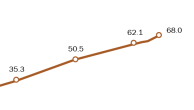
Between 2000 and 2024, the U.S. Latino population nearly doubled, rising from 35.3 million to 68 million.
Most adults across 25 countries are aware of AI, and people are generally more concerned than excited about its effects on daily life.
People in many countries see at least one party favorably – but in 15 countries, no party we asked about gets positive ratings from a majority of adults.
A median of 61% of adults across the surveyed countries have a favorable view of the UN, and 32% have an unfavorable view.
Many religious “nones,” which include atheists and agnostics, in 22 countries hold religious or spiritual beliefs, such as in an afterlife or something beyond the natural world.